
Rosh Hashanah in Judaism: A Comprehensive Guide

Rosh Hashanah in Judaism: A Comprehensive Guide
Dates
Rosh Hashanah, the Jewish New Year, falls on the first and second days of the Hebrew month of Tishrei, typically in September or early October. In 2024, Rosh Hashanah begins at sunset on October 2nd and ends at nightfall on October 4th.
Nicknames of the Holiday
Rosh Hashanah is known by several names, each reflecting a different aspect of the holiday:
1. Yom Teruah (Day of Shofar Blowing) – Highlighting the central role of the shofar.
2. Yom HaZikaron (Day of Remembrance) – Emphasizing the remembrance of individuals before God.
3. Yom HaDin (Day of Judgment) – Acknowledging the belief that God judges all people on this day.
The Origin of the Holiday
Rosh Hashanah has its origins in the Torah, where it is mentioned as a day of sounding the shofar and a sacred occasion (Leviticus 23:24-25). It is considered the anniversary of the creation of Adam and Eve, marking the completion of the world’s creation.
The Reason for Judgment Day
Rosh Hashanah is seen as the anniversary of the creation of the first human, Adam. According to Jewish tradition, this is the day when God judges all of humanity for their deeds over the past year. This period is known as the “Ten Days of Repentance,” culminating in Yom Kippur, the Day of Atonement.
Thursday, the Day of the Creation of the First Adam
The belief that Adam was created on a Thursday aligns with the tradition that the sixth day of creation (Friday) is when Adam and Eve were created. Therefore, Rosh Hashanah, which commemorates this creation, is linked to the completion of the world’s formation.
One of the First Days of the Year in the Hebrew Calendar
Rosh Hashanah marks the beginning of the Jewish year and is one of the first days on the Hebrew calendar. It sets the tone for the High Holy Days, a ten-day period of introspection and repentance.
Symbols and Traditions
1. Blowing the Shofar : The shofar, a ram’s horn, is blown 100 times during Rosh Hashanah services. Its sound is meant to awaken the soul and inspire reflection and repentance.
2. Eating Sweet Foods : Symbolizing the hope for a sweet new year, it is customary to eat sweet foods such as:
– Apples dipped in honey : Represents the wish for a sweet year.
– Pomegranate : Symbolizes abundance and the hope that merits will be as numerous as its seeds.
– Round Challah : Symbolizes the cyclical nature of the year.
The Nature of Rosh Hashanah
Rosh Hashanah is both solemn and celebratory. It is a time for self-examination and repentance, as well as for family gatherings and festive meals. The dual nature of the holiday reflects the Jewish understanding that judgment and joy can coexist.
Judgment Day for All People
On Rosh Hashanah, God is believed to inscribe the fate of every individual in the Book of Life or the Book of Death. This period emphasizes the themes of divine justice and mercy, encouraging individuals to reflect on their actions and seek forgiveness from God and others.
Rosh Hashanah’s observance includes prayer, meditation, and the blowing of the shofar. These practices aim to awaken the heart to repentance and to renew one’s commitment to a righteous and meaningful life.
Conclusion
Rosh Hashanah is a profound and multifaceted holiday in Judaism, marking the beginning of the Jewish year, the anniversary of the creation of humanity, and a day of judgment for all. Through its rich symbols and traditions, it encourages reflection, repentance, and renewal, setting a hopeful tone for the year ahead.
Sale!

RAM SHOFAR | Authentic | Kosher Processed in Israel | Yemenite Ram Shofar | SIZE 5X9 inch | 15X25 cm
Original price was: $79.97.$69.97Current price is: $69.97.
Add to cart
Sale!
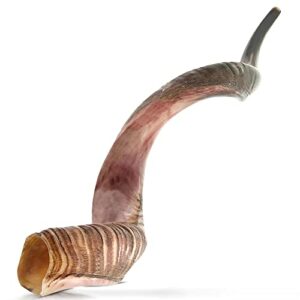
KUDU SHOFAR | Authentic | Kosher Processed in Israel | original Shofar | SIZE 35X39 in | 90X100 cm
Original price was: $149.00.$139.00Current price is: $139.00.
Add to cart