
Authentic Judaica Collection from Jerusalem
Authentic Judaica from Jerusalem
A handpicked collection of premium Jewish items — shofars, tallits, hats, bags, and gifts. Every piece is handcrafted in Israel, full of meaning, and ready to ship from our USA warehouse.
🇮🇱 Made in Israel · ✡️ 100% Kosher · 🚚 Fast US Shipping
Our Featured Judaica Collection
Carefully selected by our family in Jerusalem — for yours.

Sponsor a Meal for an Israeli Hero
$35.00
View Product →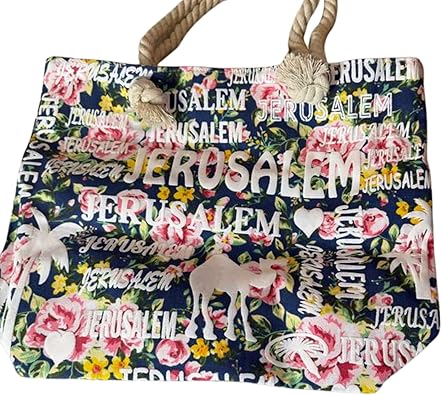
Jerusalem Canvas Shoulder Tote Bag for Women | Women?s Tote, Large Capacity, Durable Canvas, Shoulder Style, Camel Design
$22.00
View Product →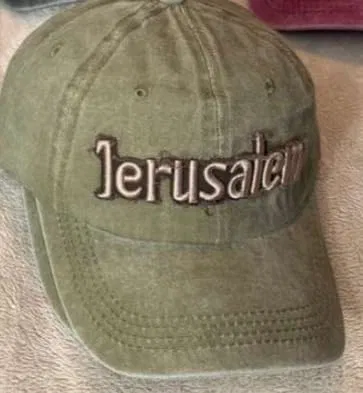
Jerusalem Hat for Men & Women ? Adjustable Cotton Baseball Cap, Embroidered Israel Design, One Size
$22.00
View Product →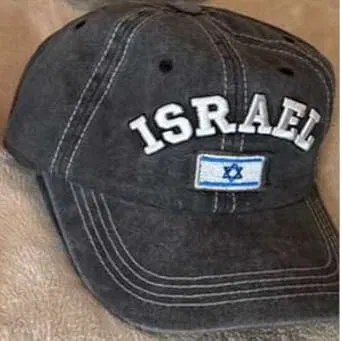
Israel Hat for Men & Women ? Adjustable Cotton Baseball Cap with Israel Flag, Embroidered Dad Cap, One Size
$22.00
View Product →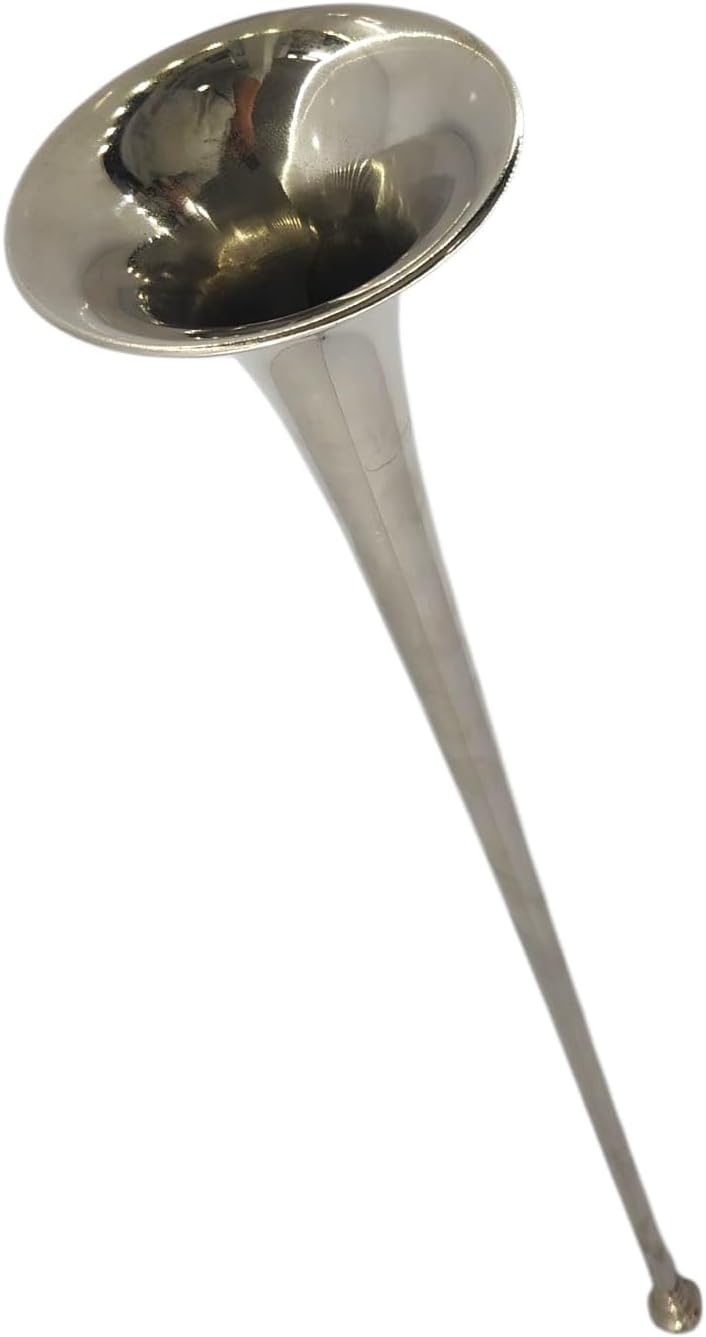
Handmade Temple Trumpet ? Silver Color Copper Trumpet | Biblical Ceremonial Decor | 27.56? Long
$269.00
View Product →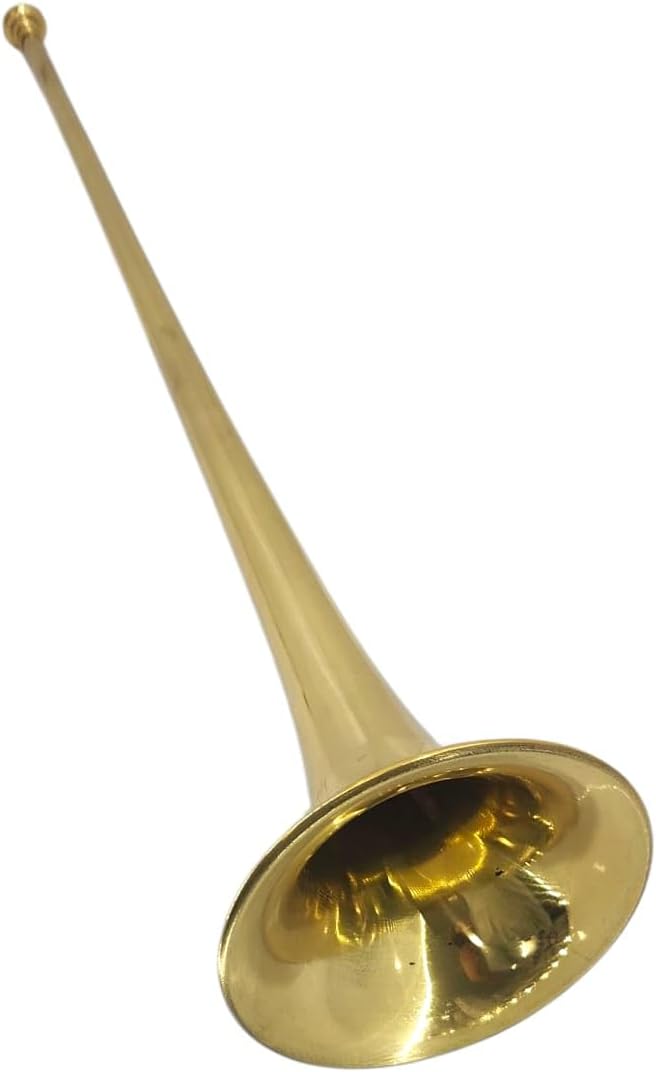
Handmade Temple Trumpet ? Gold Color Copper Trumpet | Biblical Style | 27.56? Long | 0.66 lb
$269.00
View Product →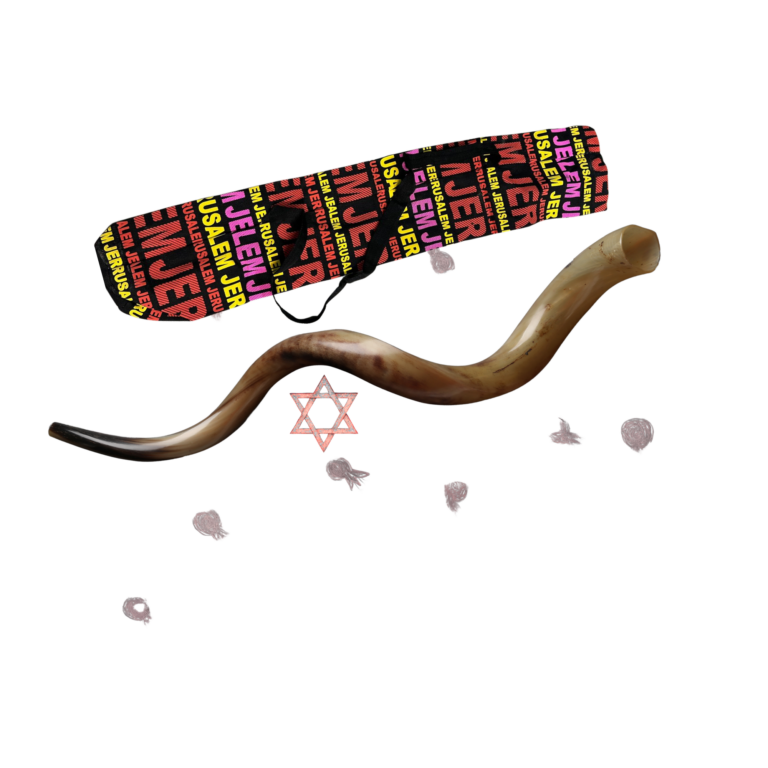
YOMTOV-SHALOM Handcrafted Kosher Kudu Shofar from Jerusalem | Shofar?s King Prestige Collection |Includes Red Shofar Bag
Price range: $99.00 through $530.00
View Product →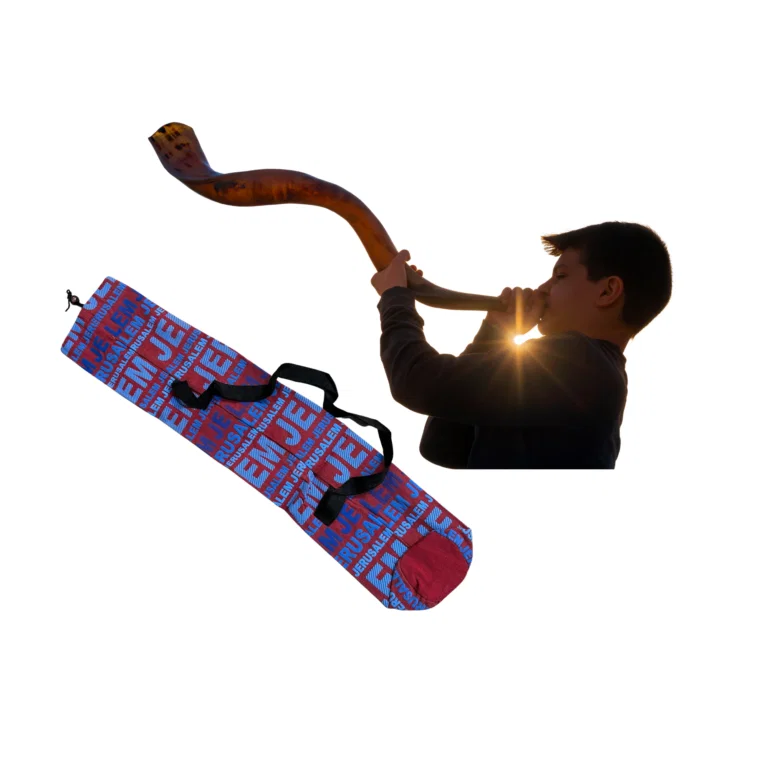
YOMTOV-SHALOM Handcrafted Kosher Kudu Shofar from Jerusalem | Shofar?s King Prestige Collection
Price range: $99.00 through $530.00
View Product →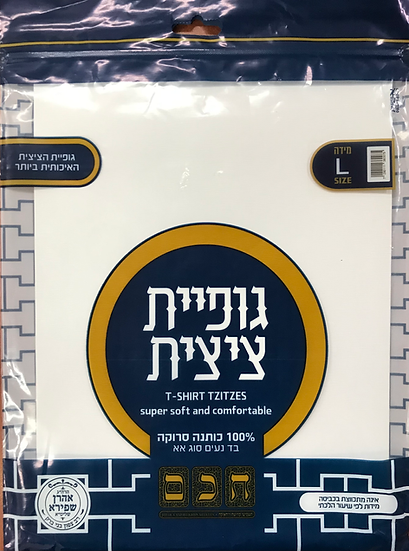
Kosher Tzitzit - Small Tallit T-shirt made of high-quality cotton with machine-made threads.
$35.00
View Product →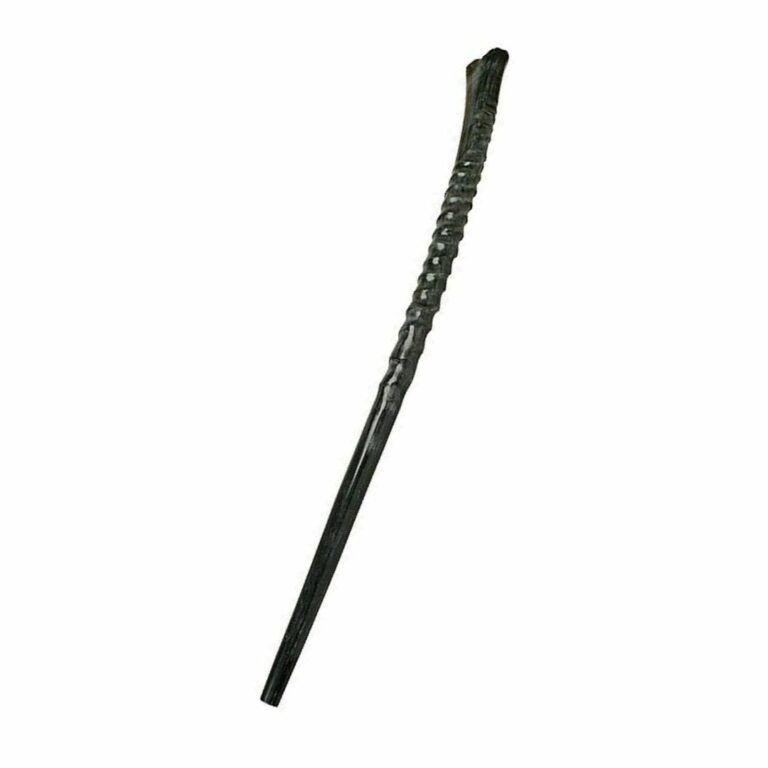
Gemsbok Oryx Shofar Horn
Price range: $80.00 through $120.00
View Product →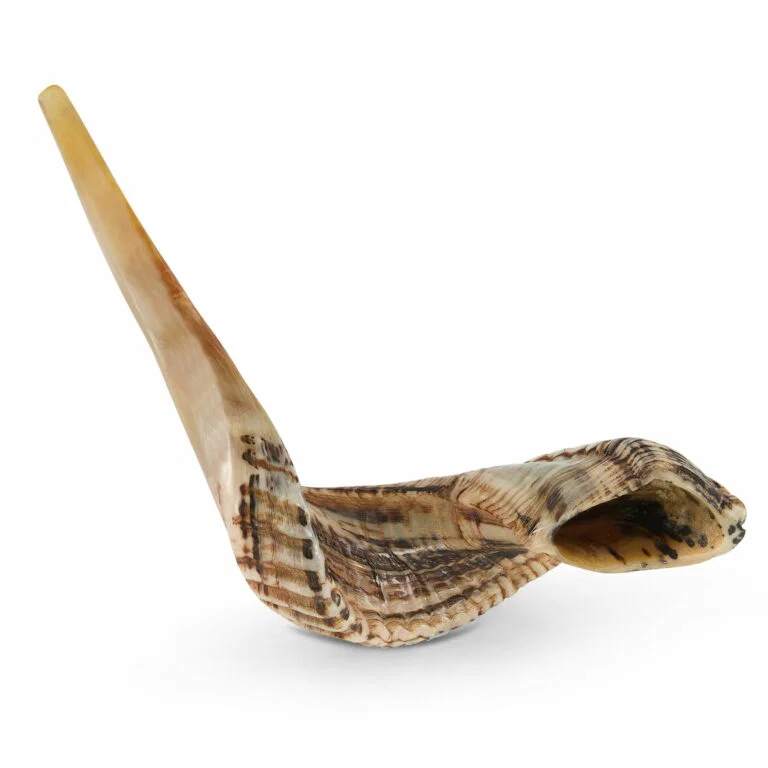
RAM SHOFAR | Authentic | Kosher Processed in Israel | Yemenite Ram Shofar
Price range: $20.00 through $120.00
View Product →🇮🇱
Handcrafted in IsraelGenerations of tradition
✡️
100% KosherRabbi certified
🚚
Fast US ShippingFree over $250
↩️
30-Day ReturnsHassle-free
From Our Family — to Yours
Each item in this collection has been hand-selected by our family in Jerusalem. Whether you're searching for a meaningful gift, a Bar Mitzvah present, or a personal item that connects you to the Holy Land — you'll find it here.
Browse Full Shop